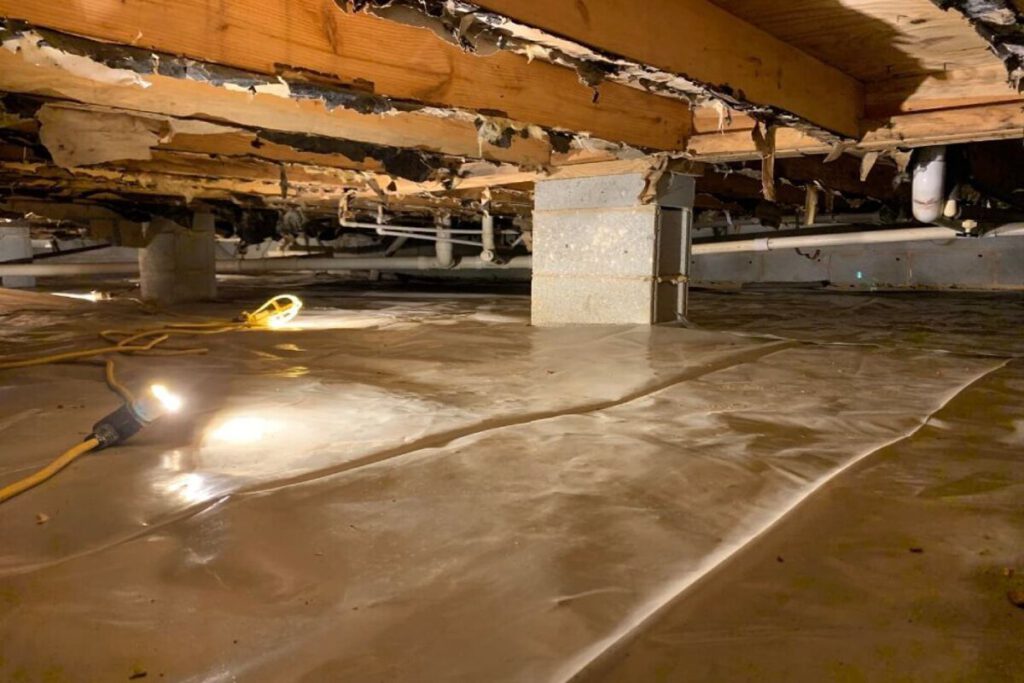

Flooded Crawl Space After Heavy Rain: What You Need to Know
TL;DR: Finding water in the crawl space after heavy rain is a common problem for homeowners in North and South Carolina, but it’s not something you should accept as normal. Standing water beneath your home leads to mold growth, wood rot, structural damage, and poor indoor air quality if it’s not addressed. Understanding what causes water in a crawl space and taking steps to prevent it protects your home and saves you from expensive repairs down the road.
- Standing water after storms indicates a drainage, grading, or waterproofing issue
- Charlotte’s clay soil holds moisture and pushes it against your foundation
- Crawl space flooding can lead to mold, wood rot, and structural deterioration
- Encapsulation, drainage systems, and sump pumps provide long-term solutions
- A professional inspection is the fastest way to identify the source and fix it
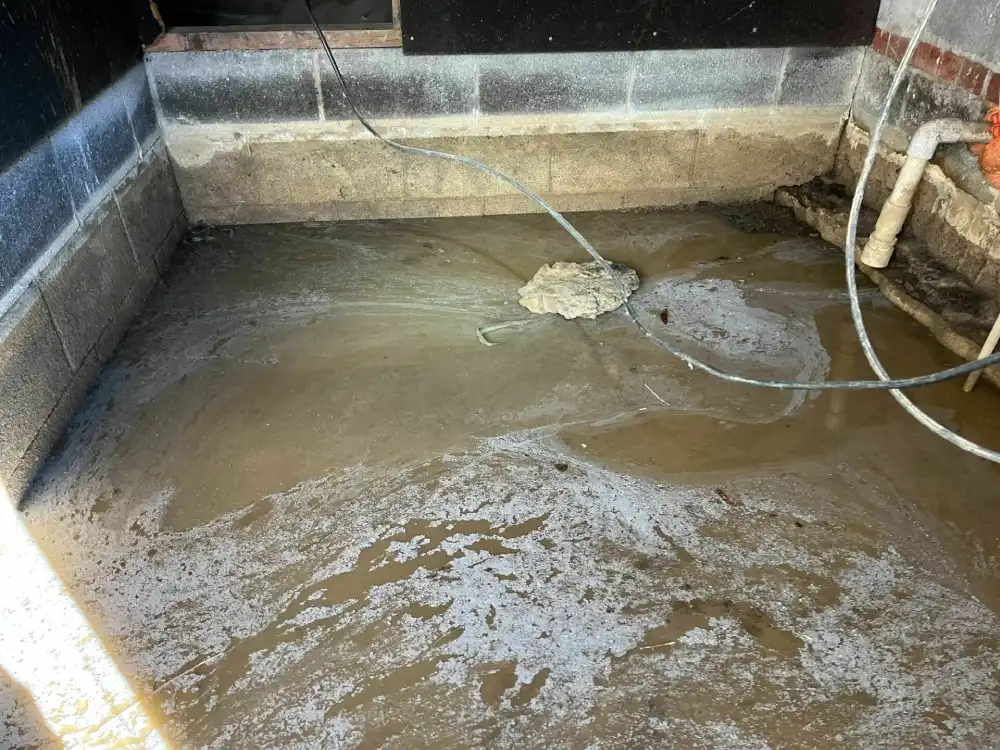
A heavy storm rolls through Charlotte, and a few hours later you notice a musty smell on the first floor. You open the crawl space access door and find inches of standing water sitting on top of saturated soil. It’s a scenario thousands of homeowners in the Carolinas deal with every year, and it’s one that gets worse every time it happens if the underlying cause isn’t fixed.
A flooded crawl space isn’t just an inconvenience. The moisture beneath your home affects the air you breathe upstairs, the structural wood holding your floors in place, and the long-term value of your property. Here’s what causes it, why it matters, and how to keep a crawl space dry for good.
What Causes Crawl Space Flooding?
There are several reasons your crawl space takes on water, and heavy rain is often just the trigger that exposes an existing vulnerability.
Poor exterior drainage. If your yard slopes toward the foundation rather than away from it, rainwater flows directly toward your home and collects around the footings. Over time, that water finds its way inside through cracks, joints, and open foundation vents.
Clogged or inadequate gutters. Gutters that overflow or downspouts that discharge too close to the foundation dump thousands of gallons of water right next to your crawl space walls during a single storm. This is one of the most common and most fixable causes.
High water table. In some areas, heavy rainfall raises the groundwater level high enough that moisture pushes upward through the soil and into the crawl space from below. This is especially common in low-lying areas and neighborhoods near creeks or retention ponds.
Foundation cracks and gaps. Even small cracks in your foundation walls or gaps around utility penetrations give water a path inside. Hydrostatic pressure from saturated soil forces water through openings that wouldn’t be a problem under normal conditions.
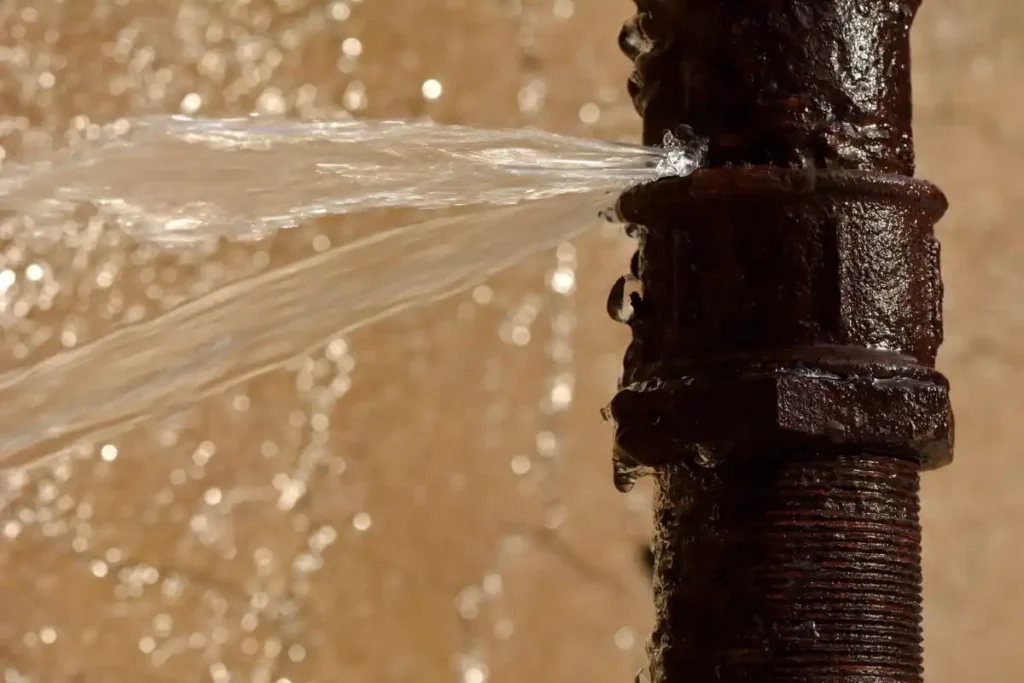
Plumbing leaks. Pipes run through your crawl space, and a slow leak from a fitting or supply line can add moisture that gets worse during storms when additional pressure hits the system. A burst pipe can flood the space regardless of weather.
Why a Flooded Crawl Space Is a Serious Problem
Water sitting beneath your home doesn’t just stay down there. Up to 50% of the air on your first floor rises from the crawl space through a process called the stack effect. That means mold spores, humidity, and musty odors travel directly into your living space.
Beyond air quality, standing water causes:
- Wood rot in floor joists, beams, and subfloor that compromises structural integrity
- Mold and mildew growth that can begin within 24 to 48 hours of moisture exposure
- Pest infestations from termites, mosquitoes, and other insects attracted to damp environments
- Insulation failure as wet insulation loses its effectiveness and sags from the floor system
- Foundation deterioration as repeated wet-dry cycles erode concrete and mortar over time
The longer water sits in your crawl space, the more damage accumulates. What starts as a puddle after one storm becomes a chronic problem that affects every system beneath your home.
How to Keep Your Crawl Space Dry
Fixing a flooded crawl space after heavy rain starts with identifying the source and then implementing the right combination of solutions.
Improve exterior drainage
Regrade the soil around your foundation so it slopes away from the house. Extend downspouts at least four to six feet from the foundation, and make sure gutters are clean and functioning properly.

Install an interior drainage system
A French drain installed along the interior perimeter of your crawl space collects water at the lowest point and routes it to a sump pump for removal. This is one of the most effective long-term solutions for crawl space flooding.
Add a sump pump
A sump pump actively removes water that enters the crawl space, keeping the area dry even during heavy rain events. Battery backup systems provide protection during power outages when you need the pump most.
Encapsulate the crawl space
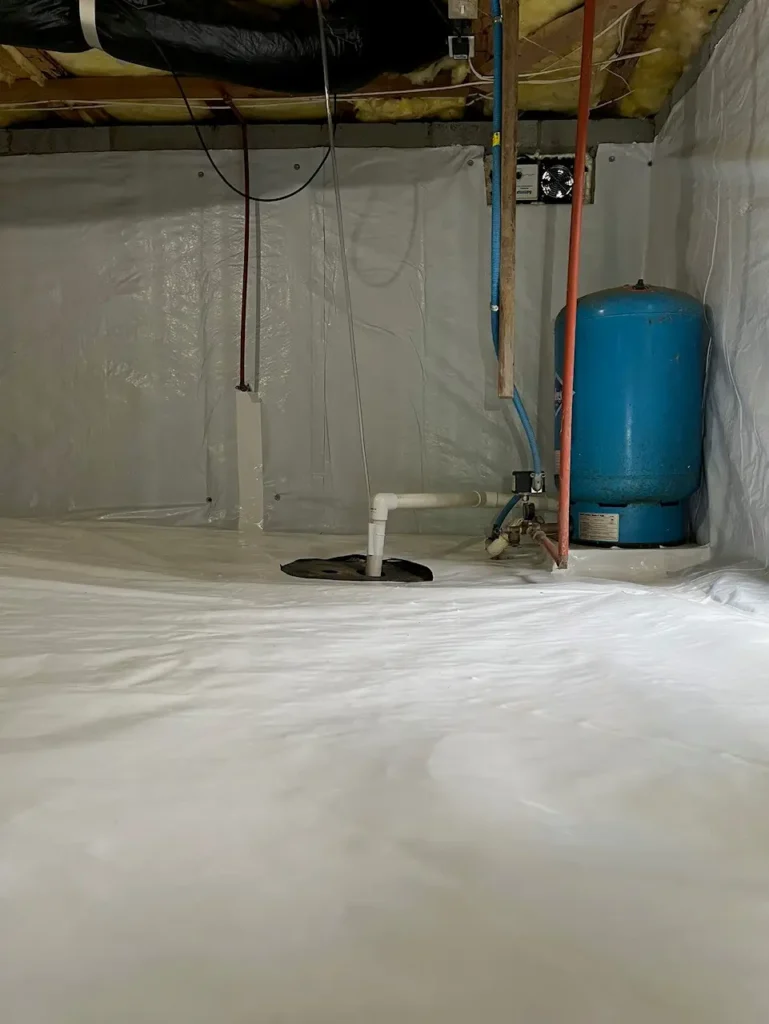
Crawl space encapsulation seals the floor and walls with a heavy-duty vapor barrier, isolating the space from ground moisture and outside air. Combined with a dehumidifier, encapsulation creates a controlled environment that stays dry year-round.
Seal foundation cracks and vents
Closing open foundation vents and sealing cracks in the walls eliminates the entry points that let water in during storms. According to the EPA’s guide on moisture control, controlling moisture at the source is the most effective strategy for preventing mold growth in residential structures.

FAQs
Is water in the crawl space after heavy rain normal?
It’s common, but it’s not normal. Finding water after a storm means something in your drainage, grading, or crawl space protection isn’t working the way it should. Some light dampness on the soil surface can be expected in humid climates, but standing water or puddles always indicate a problem that needs to be addressed.
How quickly should I address a flooded crawl space?
As soon as possible. Mold can begin growing within 24 to 48 hours of moisture exposure, and the longer water sits, the more damage it does to your wood framing, insulation, and foundation. Even if the water recedes on its own, the moisture it leaves behind continues causing problems until the space is properly dried and the source is fixed.
Can I fix crawl space flooding myself?
You can address some contributing factors on your own, like cleaning gutters, extending downspouts, and improving grading around the foundation. The actual waterproofing work, including drainage system installation, sump pump setup, and encapsulation, should be handled by a professional to ensure it’s done correctly and provides lasting protection.
Final Thoughts
Water in your crawl space after a storm isn’t something that goes away on its own. Every rain event that floods the space adds more moisture, more damage, and more risk to your home’s structure and your family’s air quality.
The fix doesn’t have to be complicated, but it does need to be done right. A professional inspection identifies exactly where the water is coming from and what combination of solutions will keep your crawl space dry through every storm season ahead.