Finding the Best Dehumidifier for Crawl Spaces
TL;DR: Choosing the right dehumidifier for crawl space areas is one of the most effective ways to protect your home from excess moisture, mold, wood rot, and costly structural damage. This guide explains how to select the right system, why professional installation matters, and what factors affect long-term performance and cost.
- Learn why maintaining proper crawl space humidity helps prevent mold, pests, and foundation damage.
- Discover how to determine what size dehumidifier for crawl space applications your home requires.
- Compare the features that make the best crawl space dehumidifier more effective than standard portable units.
- Understand the benefits of a dehumidifier for encapsulated crawl space systems and professional installation.
- Explore the factors that influence crawl space dehumidifier cost and how routine maintenance protects your investment.
Excess moisture beneath your home can lead to serious structural and indoor air quality problems if it’s left untreated. High humidity creates the perfect environment for mold growth, wood rot, pests, and even foundation damage over time. That’s why choosing the right dehumidifier for crawl space environments is one of the smartest investments homeowners can make.
Whether you have a traditional vented crawl space or a sealed system, controlling humidity is essential to protecting your home’s value and preventing costly repairs. From understanding what size dehumidifier for crawl space applications require to comparing features and installation costs, this guide explains everything you need to know before making a decision.
Why Your Crawl Space Needs a Dehumidifier
Most homeowners rarely think about their crawl space until a problem appears. Unfortunately, by the time you notice musty odors, sagging floors, or mold growth, moisture may have already caused significant damage.
Wood framing in a healthy crawl space should maintain a moisture content between 12% and 15%, while the relative humidity should remain around 55% or lower. When humidity consistently exceeds these levels, moisture begins affecting structural materials and creating ideal conditions for mold and mildew.
Installing a dehumidifier for crawl space areas helps regulate moisture year-round, reducing the risk of:
- Mold and mildew growth
- Wood rot and structural deterioration
- Musty odors entering your living space
- Increased pest activity from termites and insects
- Reduced indoor air quality
- Costly foundation and flooring repairs
Even if your crawl space has experienced only occasional flooding or seasonal humidity, controlling moisture before it becomes a larger issue can save thousands of dollars in future repairs.
How to Choose the Best Crawl Space Dehumidifier
Not every dehumidifier is designed to handle the demanding conditions beneath your home. Choosing the best crawl space dehumidifier means looking beyond standard portable units sold for basements or bedrooms.
Purpose-built crawl space systems are designed to:
- Operate continuously in high-humidity environments
- Remove significantly more moisture each day
- Connect directly to drainage systems
- Run automatically based on humidity levels
- Handle cooler temperatures common beneath homes
These commercial-grade systems provide reliable moisture control without requiring homeowners to constantly empty water buckets or manually operate the equipment.
When comparing options, consider factors like moisture removal capacity, energy efficiency, filtration, warranty coverage, and long-term reliability—not simply the purchase price.
What Size Dehumidifier for Crawl Space Applications?
One of the most common questions homeowners ask is what size dehumidifier for crawl space installations is appropriate.
The answer depends on much more than square footage.
A professional evaluation considers several important factors, including:
- Total crawl space size
- Ceiling height
- Current humidity levels
- Existing ventilation
- History of flooding or water intrusion
- Seasonal climate
- Insulation quality
- Whether the crawl space is encapsulated
For example, a damp 1,500-square-foot crawl space with previous water issues may require a larger-capacity unit than a dry 2,000-square-foot crawl space with proper moisture control.
Selecting a unit that’s too small means it may never reach your target humidity level. Choosing one that’s oversized can increase upfront costs without providing meaningful benefits.
Professional moisture testing ensures your system is properly sized for efficient, long-term performance.
Dehumidifier for Encapsulated Crawl Space Systems
If your home has encapsulation, you’ll need a dehumidifier for encapsulated crawl space environments specifically designed to work with sealed conditions.
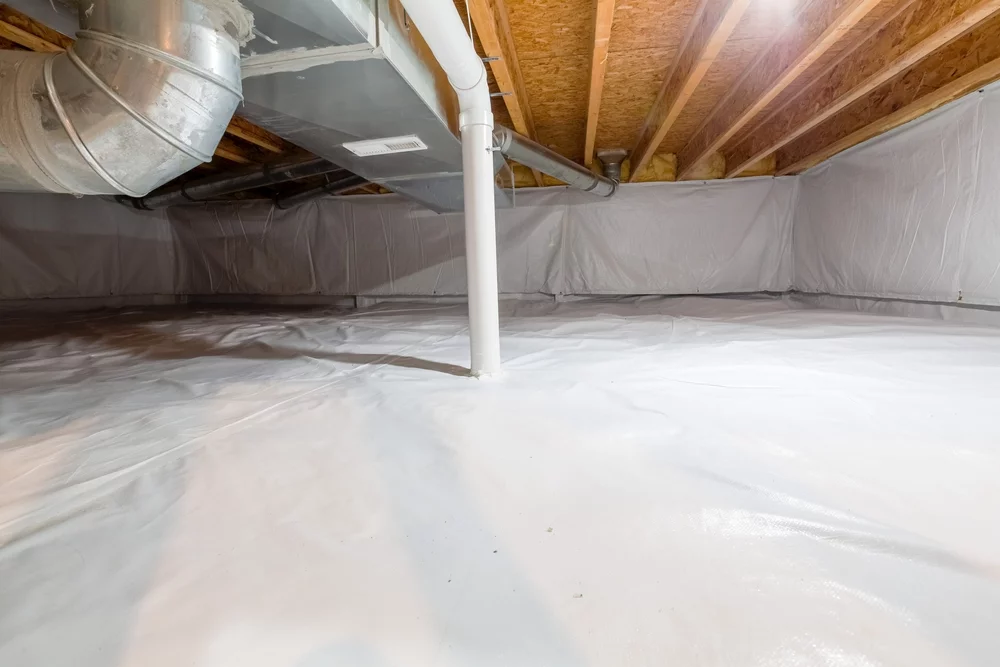
Encapsulation involves installing a heavy-duty vapor barrier across the floor and walls while sealing outside air from entering the crawl space. While this dramatically reduces moisture intrusion, humidity can still accumulate from:
- Ground moisture
- Seasonal temperature changes
- Minor plumbing leaks
- Everyday household air movement
A dehumidifier becomes the active component that keeps humidity within safe levels inside the encapsulated space.
When paired with encapsulation, a properly sized dehumidifier creates a complete moisture management system that helps:
- Protect wood framing
- Improve indoor air quality
- Reduce mold growth
- Increase HVAC efficiency
- Extend the lifespan of insulation and structural components
For many homeowners, encapsulation combined with professional dehumidification offers the most comprehensive long-term solution.
Installing Dehumidifier in a Crawl Space: Why Professional Installation Matters
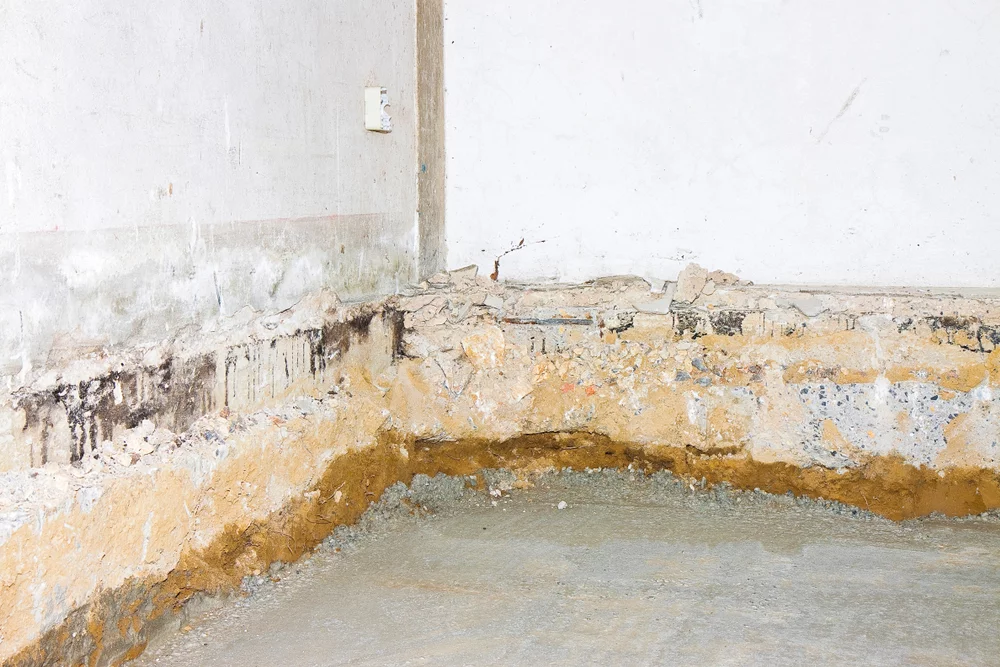
While installing a portable household dehumidifier may seem simple, installing dehumidifier in your crawl space requires specialized knowledge and equipment.
Professional installation includes:
Proper Equipment Placement
The unit must be positioned to maximize airflow throughout the crawl space while remaining accessible for maintenance.
Drainage Installation
Unlike consumer models, crawl space dehumidifiers use continuous drainage systems that safely remove collected water without manual emptying.
Electrical Connections
Dedicated electrical service may be required to safely operate higher-capacity systems.
Humidity Calibration
Professionals configure the dehumidifier to maintain ideal humidity levels automatically throughout changing seasons.
Airflow Optimization
Proper airflow ensures moisture is removed evenly throughout the crawl space instead of only around the unit itself.
Professional installation also helps prevent performance issues that can reduce efficiency or shorten equipment lifespan.
Key Features to Look For
Today’s premium crawl space dehumidifiers offer advanced features that improve performance while reducing maintenance.
Look for systems that include:
Automatic Humidity Controls
Built-in humidistats continuously monitor moisture levels and cycle the unit on and off as needed.
Continuous Drainage
Direct drainage eliminates the need to empty water reservoirs manually.
High-Efficiency Air Filters
Filters protect internal components from dust and debris while improving airflow.
Energy-Efficient Operation
Many of the best crawl space dehumidifier models remove more moisture while consuming less electricity than older systems.
Durable Construction
Commercial-grade materials are designed to withstand the humid conditions commonly found beneath homes.
These features help maximize reliability while minimizing maintenance requirements.
Crawl Space Dehumidifier Cost: What to Expect
One of the biggest questions homeowners ask involves crawl space dehumidifier cost.
Pricing varies depending on several factors, including:
- Crawl space size
- Equipment capacity
- Encapsulation requirements
- Drainage installation
- Electrical work
- Accessibility beneath the home
Although professional systems cost more than portable consumer units, they’re specifically designed for continuous operation in demanding environments.
More importantly, investing in quality moisture control can help prevent expensive repairs caused by:
- Mold remediation
- Foundation damage
- Floor replacement
- Structural wood rot
- Insulation replacement
In many cases, preventing even one major moisture-related repair more than offsets the cost of professional installation.
Additionally, energy-efficient models can lower long-term operating expenses by removing moisture more effectively while consuming less electricity.
Keep Your Crawl Space Performing Its Best
Like any major home system, crawl space dehumidifiers benefit from routine maintenance.
Regular service typically includes:
- Cleaning or replacing air filters
- Inspecting drainage lines
- Verifying humidity settings
- Checking electrical connections
- Cleaning internal coils
- Testing overall system performance
Preventive maintenance helps maximize efficiency, extend equipment life, and ensure your crawl space remains protected year after year.
Scheduling professional inspections can also identify developing moisture issues before they become major structural problems.
Protect Your Home with Professional Crawl Space Moisture Control
Finding the right dehumidifier for crawl space applications involves much more than purchasing the largest unit available. Proper sizing, professional installation, energy efficiency, and ongoing maintenance all contribute to lasting moisture protection.
Whether you’re choosing the best crawl space dehumidifier, determining what size dehumidifier for crawl space conditions require, evaluating crawl space dehumidifier cost, or considering a dehumidifier for encapsulated crawl space systems, working with experienced professionals helps ensure the best long-term results.
Get help from the experts at Falcone Crawl Space to prevent humidity under your home or business.