How to Choose a Foundation Repair Contractor in North Carolina
TL;DR: Choosing the right foundation repair contractor is one of the most important decisions you’ll make as a homeowner. The wrong hire can leave you with incomplete repairs, voided warranties, and problems that come back worse than before. Knowing how to choose a foundation repair contractor in North Carolina starts with understanding what to look for, what to ask, and what red flags to avoid.
- Verify licensing, insurance, and North Carolina-specific credentials
- Get multiple written estimates and compare scope, not just price
- Ask about warranties and what they actually cover
- Look for experience with your specific foundation type and soil conditions
- Check reviews and ask for local references you can contact
Foundation repair isn’t the kind of project you want to hand off to the lowest bidder and hope for the best. North Carolina’s clay-heavy soil, seasonal moisture fluctuations, and varying terrain create foundation challenges that require real expertise to diagnose and fix correctly. A contractor who doesn’t understand these local conditions can misdiagnose the problem, recommend the wrong solution, or perform repairs that fail within a few years. Here’s how to find the right one.
Check Licensing and Insurance First
Before anything else, confirm that any contractor you’re considering is properly licensed to perform foundation repair in North Carolina. The state requires general contractors to hold a license through the NC Licensing Board for General Contractors for projects over $30,000. Ask for their license number and verify it online.
Beyond licensing, make sure they carry both general liability insurance and workers’ compensation coverage. If an uninsured worker is injured on your property, that liability could fall on you. Never take a contractor’s word for it. Ask for certificates of insurance and verify them directly with the insurance provider.
Evaluate Their Experience With Your Foundation Type
Not all foundation problems are the same, and not all contractors have the same depth of experience. North Carolina homes sit on crawl spaces, basements, and concrete slabs, and each foundation type presents different challenges. A contractor who specializes in slab repairs may not be the right fit for a crawl space pier and beam issue.
Ask specifically about their experience with:
- Your foundation type (crawl space, basement, or slab)
- The soil conditions in your area
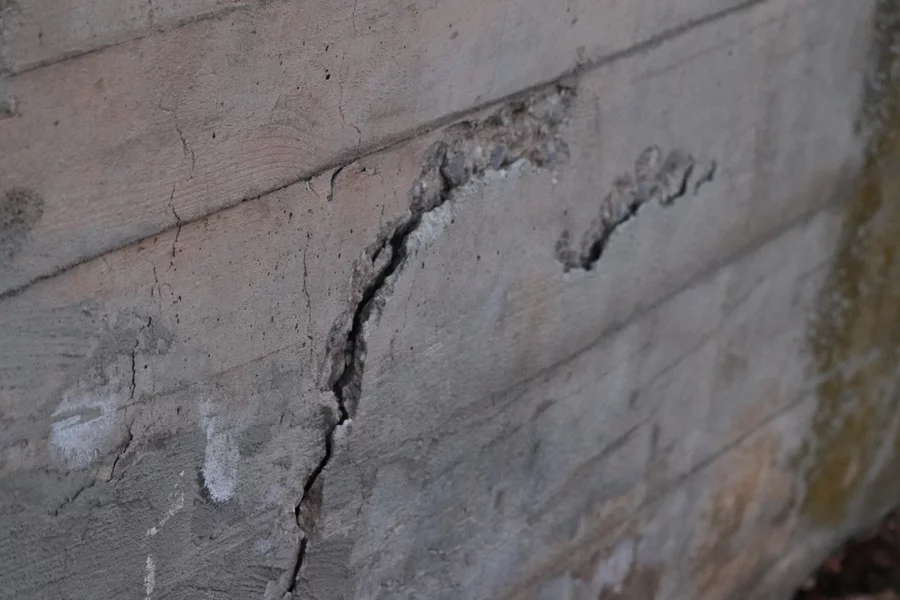
- The specific symptoms you’re seeing (cracks, settling, moisture intrusion)
- The repair methods they recommend and why
A contractor who can explain the problem clearly and walk you through the solution without resorting to scare tactics is usually one worth trusting.
Get Multiple Estimates and Compare Scope
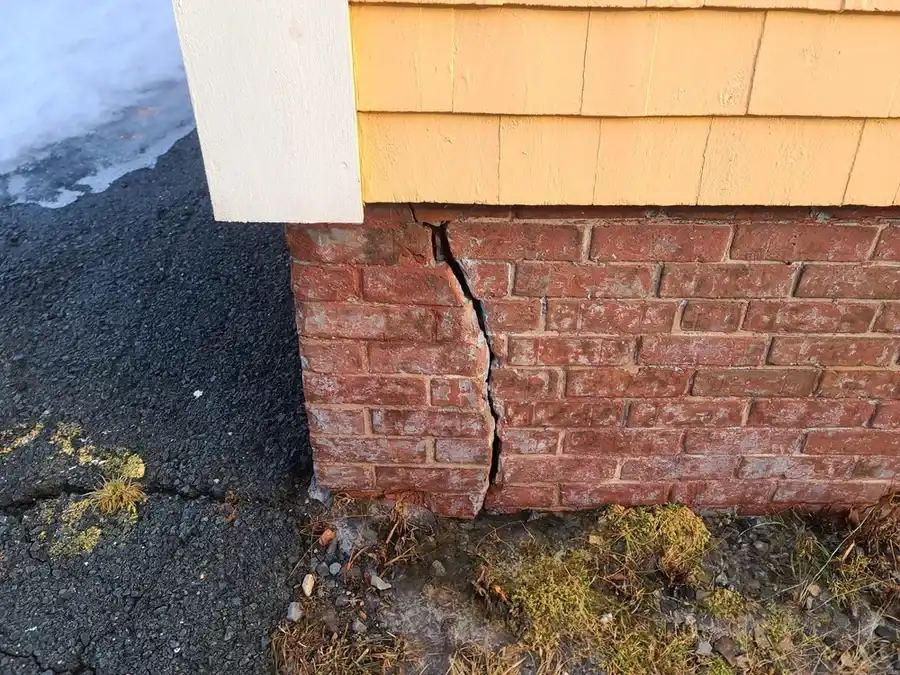
When you compare foundation repair services in North Carolina, don’t just compare the bottom line number. Compare what’s included. A lower estimate that skips drainage correction or leaves out post-repair grading may end up costing you more in the long run than a higher quote that addresses the full scope of the problem.
Get at least three written foundation repair quotes in North Carolina from different contractors. Each estimate should include:
- A clear diagnosis of the problem
- The specific repair method being proposed
- Materials and equipment being used
- A timeline for completion
- Warranty terms and what they cover
- Any exclusions or conditions
If an estimate is vague, missing key details, or significantly lower than the others without explanation, that’s a red flag worth paying attention to.
Ask About Warranties
Foundation repair is a significant investment, and you need to know your work is protected. Look for warranty-backed foundation repair in North Carolina from contractors who stand behind their work with written guarantees. A strong warranty should cover both materials and labor, and it should clearly state the duration, what’s included, and what would void the coverage.
Some contractors offer lifetime transferable warranties, which can also add value to your home if you sell in the future. Others offer limited warranties that only cover specific components. Read the fine print and ask questions before you sign anything.
Read Reviews and Check References
Online reviews give you a general sense of a contractor’s reputation, but they don’t tell the whole story. Ask for references from recent jobs in your area, preferably projects similar to yours in scope and foundation type. A confident contractor will have no problem connecting you with past clients who can speak to the quality of their work and the experience of working with them.
Look for patterns in reviews. One negative review among dozens of positive ones is normal. Repeated complaints about missed deadlines, poor communication, or incomplete work tell you something worth listening to.
FAQs
What questions should I ask a foundation contractor?
Ask about their licensing, insurance, and experience with your specific foundation type. Find out what repair method they recommend and why, how long the project will take, what their warranty covers, and whether they’ve worked on homes in your area with similar soil conditions. A good contractor will answer all of these confidently and without pressure.
Are foundation repair estimates free?
Most reputable foundation repair contractors in North Carolina offer free inspections and estimates. The estimate should include an on-site inspection, a diagnosis of the issue, and a written proposal outlining the recommended repairs, timeline, and cost. If a contractor charges for an estimate, ask what that fee covers and whether it’s applied toward the cost of the work.
How do I know if a contractor is licensed in NC?
You can verify a contractor’s license through the North Carolina Licensing Board for General Contractors website. Search by the contractor’s name or license number to confirm their credentials are current and in good standing. If a contractor can’t provide a license number or hesitates when asked, move on.
What certifications should foundation repair specialists have?
Look for certifications from recognized industry organizations like the Foundation Repair Association (FRA) or manufacturer-specific certifications for the products and systems they install. These credentials indicate that the contractor has completed specialized training and stays current with industry standards and best practices.
Final Thoughts
Your foundation supports everything above it, and the contractor you choose to repair it should give you complete confidence in the work being done. Take the time to verify credentials, compare proposals side by side, and ask the questions that matter before signing a contract. The right contractor will welcome your due diligence because they know their work speaks for itself.
Research foundation repair services offered by local experts.