

4 Reasons Why Your Sump Pump Float Switch Is Not Working
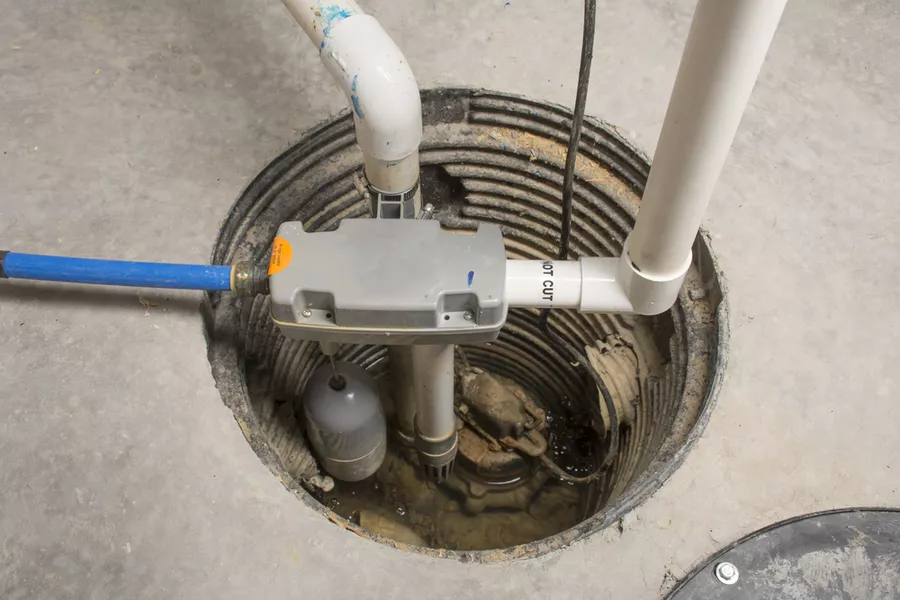
TL;DR: Your sump pump float switch is the mechanism that tells your pump when to turn on and off based on the water level in the pit. When it fails, your pump either runs constantly, never turns on, or cycles erratically, all of which can lead to basement flooding or premature pump burnout. Most float switch problems trace back to one of four common causes.
- A stuck or obstructed float is the most common issue
- Debris buildup in the sump pit can prevent proper float movement
- Electrical and mechanical wear causes switches to fail over time
- Improper installation or misalignment leads to inconsistent cycling
- Most float switch problems are fixable, but some require full replacement
Your sump pump only works when the float switch tells it to. If the float isn’t moving freely, the pump doesn’t know the water is rising, and by the time you notice, you could already be dealing with standing water in your basement or crawl space. A faulty float switch on your sump pump is one of the most common reasons pumps fail when you need them most. Here are four reasons it happens and what you can do about it.
If you’re not sure whether or not you have an issue with your sump pump, schedule a free inspection and we’ll come out to take a look!
1. The Float Is Physically Stuck
A stuck float switch on a sump pump is the most frequent cause of pump failure, and it’s usually the simplest to diagnose. Float switches need room to move up and down freely as the water level changes. When the float gets wedged against the side of the pit, tangled in the pump’s power cord, or caught on the discharge pipe, it can’t rise with the water level and the pump never activates.
This is especially common in smaller sump pits where the pump, float, and discharge plumbing are all competing for limited space. Even a slight shift in the pump’s position can push the float into a spot where it can’t travel its full range of motion.
Start by checking whether the float moves freely by hand. If it’s physically blocked, repositioning the pump or rerouting the power cord may solve the problem. Understanding how to adjust a sump pump float properly can prevent this from happening again.
2. Debris Buildup in the Sump Pit
Your sump pit collects more than just water. Over time, sediment, gravel, dirt, and small debris accumulate at the bottom and along the walls of the pit. This buildup can interfere with the float switch in several ways. It can physically block the float’s path, weigh down a tethered float so it doesn’t rise properly, or clog the switch mechanism itself.
In crawl spaces especially, where dirt and moisture are constant, debris buildup happens faster than most homeowners realize. Regular cleaning of the sump pit, at least once or twice a year, goes a long way toward keeping the float switch functioning correctly. Remove any visible debris, wipe down the float and switch housing, and make sure the pit is clear before testing the pump.
3. Electrical or Mechanical Failure
Float switches are mechanical components with a limited lifespan. The internal contacts that open and close the electrical circuit wear out over time, especially if the pump cycles frequently. Corrosion from constant moisture exposure can also degrade the switch’s internal wiring and connections.
Signs of electrical or mechanical failure include:
- The pump doesn’t respond even when the float is manually raised
- The pump runs continuously regardless of water level
- You hear clicking or buzzing from the switch but the pump doesn’t activate
- The switch feels loose, corroded, or physically damaged
If raising the float by hand doesn’t trigger the pump, the switch itself has likely failed. At this point, you’ll need to fix sump pump float switch components by replacing the switch entirely or upgrading to a more reliable switch type.
4. Improper Installation or Misalignment
A float switch that was installed incorrectly from the start will cause problems from day one. If the float is set too high, the pump won’t turn on until the water is dangerously close to overflowing. If it’s set too low, the pump cycles on and off constantly, which burns out the motor prematurely and drives up your energy costs.
Misalignment can also result from the pump shifting over time due to vibration or settling in the pit. Tethered floats are especially prone to this because the tether length determines when the pump activates, and even a small change in positioning can throw off the entire cycle.
Proper float switch installation means setting the activation point high enough to allow adequate water collection but low enough to prevent overflow. If your pump is short-cycling or not activating when it should, the float position is the first thing to check.
FAQs
Can a sump pump run without a float switch?
Technically, you can hardwire a sump pump to run continuously without a float switch, but this isn’t recommended. The pump would run nonstop regardless of the water level, which burns out the motor quickly, wastes electricity, and provides no automatic protection when you’re not home. Electronic water level sensors are a more reliable alternative if your mechanical float switch keeps failing.
How do I know if my sump pump switch is bad?
The clearest sign is a pump that doesn’t respond when water rises in the pit. Manually lift the float by hand. If the pump doesn’t activate, the switch has likely failed. Other signs include the pump running constantly without shutting off, cycling on and off rapidly, or making unusual sounds when the float moves. If the float moves freely and the pump still doesn’t respond correctly, the switch needs to be replaced.
When should I replace my sump pump?
Most sump pumps last seven to ten years with proper maintenance. If your pump is approaching that age range and you’re experiencing frequent float switch problems, strange noises, or reduced pumping capacity, replacement is usually more cost-effective than continued repairs. If your pump has failed during a storm or left you with water damage, that’s a clear sign it’s time for a new unit with a properly installed, reliable float switch.
Final Thoughts
A sump pump is only as reliable as its float switch. When the switch fails, the pump can’t do its job, and the water doesn’t wait for you to figure out the problem. Regular pit maintenance, proper float positioning, and knowing the signs of switch failure can prevent most issues before they lead to flooding. If your pump isn’t cycling correctly or hasn’t been serviced in a while, don’t wait for the next heavy rain to find out it’s not working.