Interior Basement Waterproofing: What Works (and What’s a Waste)
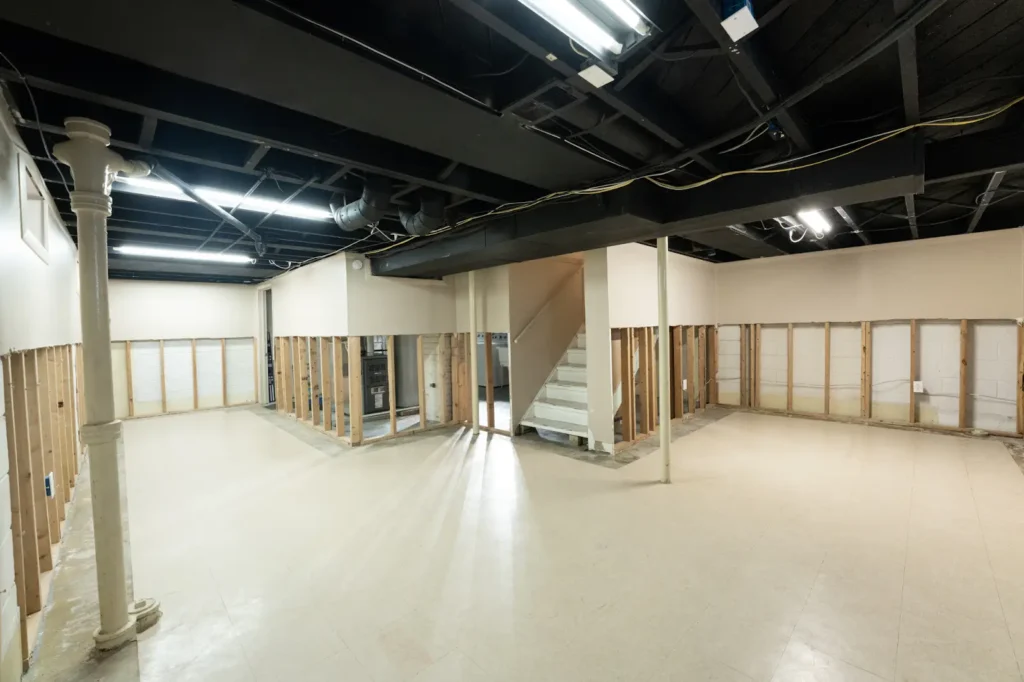
If you are dealing with standing water, musty smells, or damp basement walls, you have probably heard the term “interior basement waterproofing” thrown around a lot. The problem is that not everything marketed as waterproofing actually solves the issue. Some systems work. Others just hide symptoms.
In North Carolina and South Carolina, especially around Charlotte and older neighborhoods throughout the region, interior systems are often the most practical and effective option. But only if they are designed and installed the right way.
This guide breaks down what interior basement waterproofing really is, what works, what does not, and why some approaches fail when winter weather hits.
What Interior Basement Waterproofing Actually Means
Interior basement waterproofing does not mean stopping water from ever touching your foundation. That idea sounds good, but in real-world conditions, it is rarely realistic, especially in older homes.
True interior basement waterproofing focuses on:
- Managing groundwater once it reaches the foundation
- Relieving pressure that forces water through walls and floors
- Collecting and directing water safely away from the home
In the Carolinas, this approach works well because:
- Soil stays saturated for long periods
- Clay soils hold water tightly
- Older foundations are porous by design
- Exterior excavation is often impractical or incomplete
Interior systems work with water, not against it. A properly designed interior system is part of a complete basement waterproofing approach that manages groundwater instead of trying to block it.
Why Interior Systems Work Better in Winter
Winter is when many basement water problems show up or get worse. Rain lasts longer, evaporation slows down, and groundwater levels stay high.
Interior basement waterproofing performs well in winter because:
- It does not rely on dry soil conditions
- It relieves hydrostatic pressure year-round
- It handles steady groundwater instead of just surface runoff
- It works even when the ground outside is frozen or saturated
Exterior waterproofing can struggle in winter due to poor drainage conditions and limited soil absorption. Interior systems remain accessible and effective regardless of season.
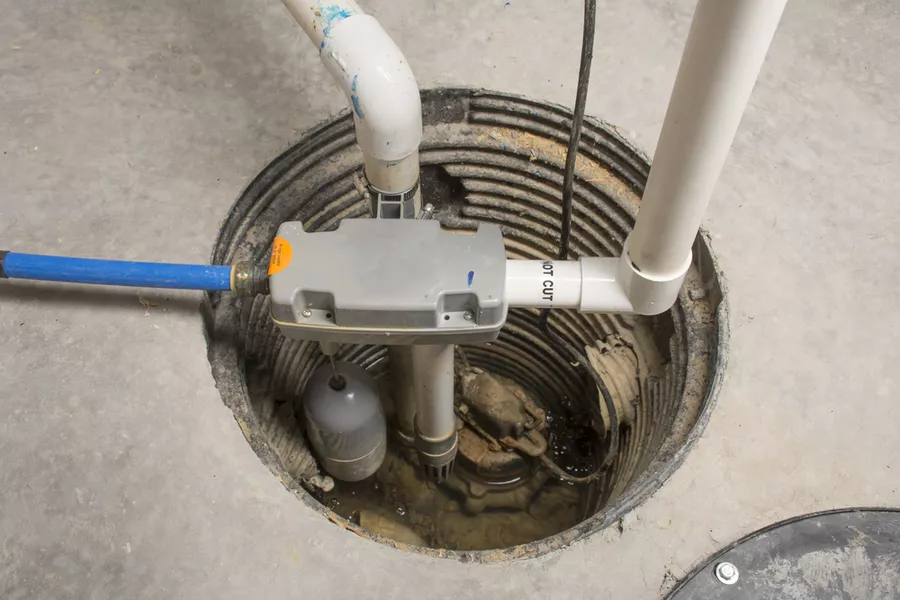
Sump Pumps: The Backbone of Interior Waterproofing
A properly designed sump pump system is the heart of most interior basement waterproofing setups.
What works:
- A sump basin placed at the lowest point of the basement
- A high-quality pump sized for groundwater volume
- A dedicated discharge line that moves water well away from the foundation
- Battery backup for power outages during storms
What is a waste:
- Undersized pumps
- Shallow pits that cannot keep up with inflow
- Discharge lines that dump water next to the house
- Systems installed without addressing drainage paths
In Charlotte and surrounding areas, winter storms often bring power outages. Backup systems are not an upgrade. They are a necessity.
Interior Drain Systems That Actually Do Their Job
Interior drains are designed to intercept water before it enters the basement space.
Effective interior drain systems:
- Are installed along the perimeter at the wall and floor joint
- Sit below the slab to capture rising groundwater
- Tie directly into a sump pump system
- Relieve pressure instead of sealing it in
These systems do not stop water from reaching the foundation. They stop it from becoming a problem inside the basement.
What does not work:
- Surface-level channels that only catch visible water
- Drains installed too shallow to relieve pressure
- Partial systems that leave sections untreated
Pressure always finds the weak spot. Incomplete drainage is one of the most common reasons interior basement waterproofing fails.
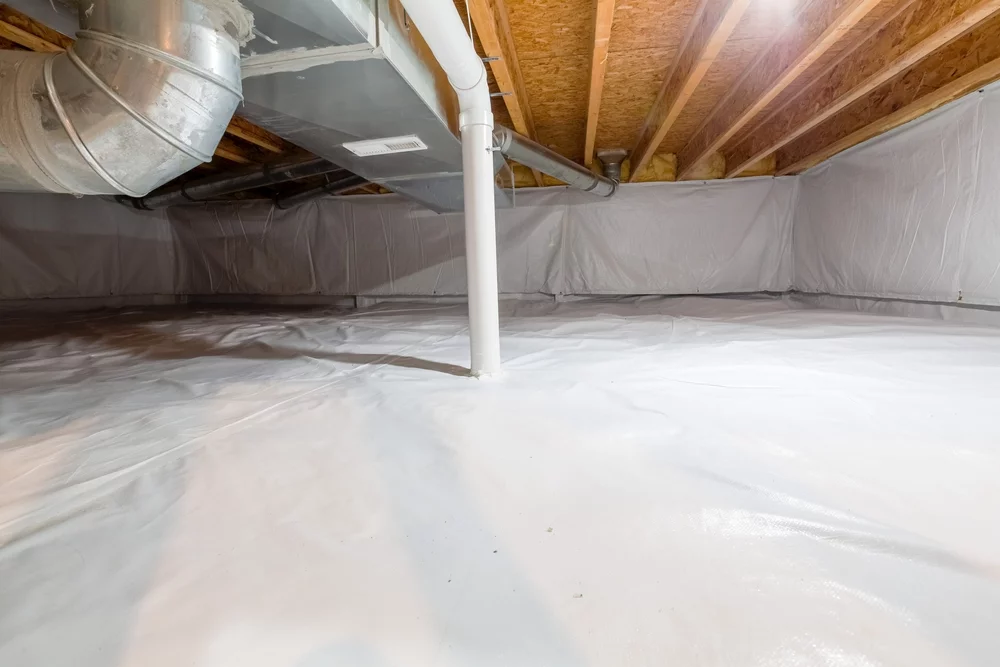
Vapor Barriers and Wall Systems: Useful, But Limited
Interior wall liners and vapor barriers are often marketed as waterproofing. In reality, they serve a specific purpose.
What they do well:
- Block moisture vapor from entering the basement air
- Improve appearance of basement walls
- Reduce musty smells
- Protect finished basement materials
What they do not do:
- Stop water pressure
- Fix foundation cracks
- Replace drainage or sump systems
Used alone, vapor barriers are cosmetic. Used with proper drainage and sump systems, they can be part of a complete interior basement waterproofing solution.
Sealants and Coatings: Where Homeowners Waste Money
Interior sealants and wall coatings are one of the biggest sources of frustration we see.
Why they fail:
- They do not address hydrostatic pressure
- Water pushes behind them and finds another path
- They often peel or crack within a few seasons
- They give a false sense of security
In winter, when groundwater pressure is highest, these products fail first. They are not waterproofing systems. They are surface treatments.
Why Interior Waterproofing Alone Is Sometimes Not Enough
In many homes, especially older ones in Charlotte and across NC and SC, water intrusion is tied to structural issues.
Signs structural problems are involved:
- Cracks that keep widening
- Bowing or leaning foundation walls
- Uneven or sloping basement floors
- Doors and windows sticking above the basement level
- Repeated water issues despite drainage systems
Interior basement waterproofing manages water. It does not fix structural movement. When pressure and movement are the root problem, structural repairs must come first.
The Falcone Approach to Interior Basement Waterproofing
At Falcone Crawl Space, we do not sell one-size-fits-all systems. We look at why water is entering and what the foundation is doing under pressure.
Our approach often includes:
- Interior drainage designed for groundwater conditions
- Sump pump systems sized for real water volume
- Structural repairs when walls or footings are compromised
- American-made materials built for long-term performance
- Solutions that work in winter, not just dry seasons
Many companies stop at encapsulation or basic waterproofing. We handle the structural side when needed, because managing water without addressing structure only delays the problem.
Interior Basement Waterproofing for Charlotte Area Homes
Homes around Charlotte, Raleigh, and throughout the Carolinas share common challenges:
- Clay-heavy soils
- Aging foundations
- High seasonal groundwater
- Neighborhoods with settled grading
Interior basement waterproofing is often the most reliable solution for these conditions, but only when it is done correctly and paired with structural evaluation.
When to Get a Professional Evaluation
If you are seeing:
- Standing water
- Persistent dampness
- White residue on walls
- Musty odors that will not go away
- Water that shows up every winter
It is time for a professional inspection. The goal is not to sell you a product. The goal is to understand pressure, drainage, and structure so the repair actually lasts.
Talk to a Company That Fixes the Cause, Not Just the Symptoms
Interior basement waterproofing can work very well, especially in winter, but only when it is part of a complete system.
Falcone Crawl Space serves Charlotte and communities across North Carolina and South Carolina. We handle interior drainage, sump pumps, and the structural repairs that many waterproofing companies cannot.
If your basement water problem keeps coming back, reach out through our contact form or start a conversation using Intercom. Getting the right solution now is a lot cheaper than fixing repeated failures later.