Why Is Water Intrusion in the Basement Worse in Winter?
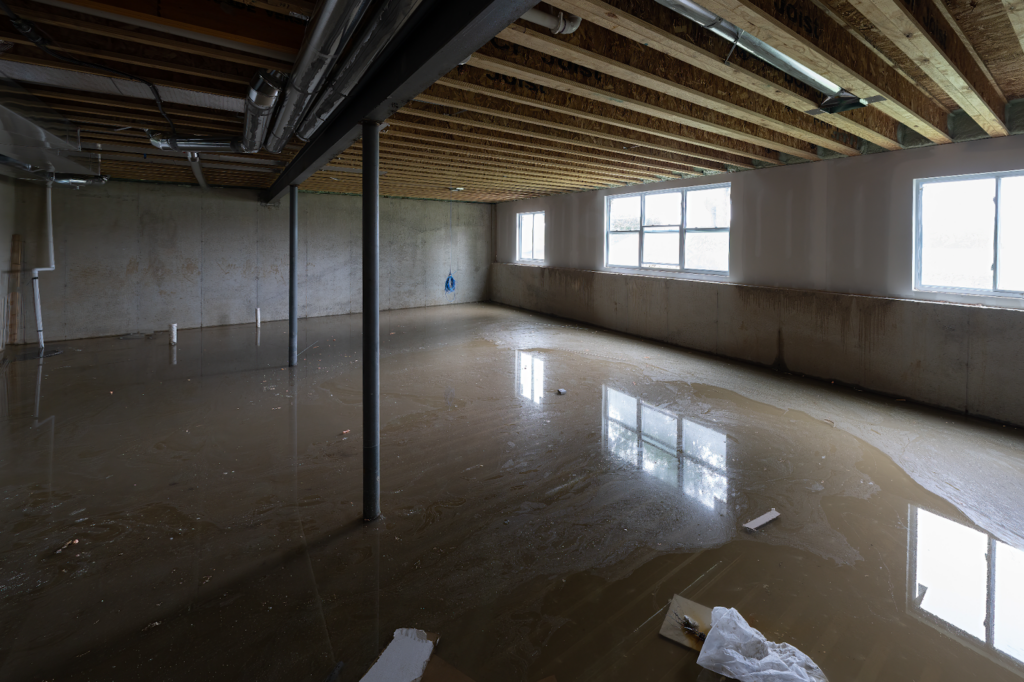
If you live in North Carolina or South Carolina and you notice water intrusion in the basement getting worse during winter, you are not imagining it. Cold weather exposes weaknesses in foundations, drainage, and grading that may not show up as clearly in warmer months. Older homes in Charlotte, Raleigh, Asheville, and across the Carolinas are especially vulnerable.
At Falcone Crawl Space, we see this every winter. Homeowners call because the basement smells damp, water is pooling near the walls, or old cracks suddenly start leaking. This is not bad luck. There are real, physical reasons winter makes basement water problems worse.
Below is a plainspoken breakdown of what is actually happening and why winter pushes basements past their limit.
Winter Weather Changes How Water Moves Around Your Foundation
Water does not behave the same way in winter as it does in summer. Even in NC and SC where winters are mild compared to northern states, cold temperatures change soil conditions and water flow.
During winter:
- Rain lasts longer because evaporation slows down
- Soil stays saturated for extended periods
- Freeze and thaw cycles expand cracks in concrete and masonry
- Water drains more slowly away from the foundation
All of this adds up to more pressure on basement walls and floors, which increases the chance of water intrusion in the basement.
Hydrostatic Pressure Builds Up in Cold Months
Hydrostatic pressure is one of the biggest drivers of basement leaks, especially in winter.
When the ground around your home becomes saturated, the soil holds water like a sponge. That water pushes against foundation walls and underneath basement slabs. The colder the weather, the longer the soil stays wet.
In winter, this pressure increases because:
- Rainfall drains slower
- Clay soils common in the Carolinas swell when wet
- Frozen or semi-frozen soil restricts natural drainage paths
Water will always take the path of least resistance. If your basement has cracks, porous block walls, or weak mortar joints, water will find them. Water pressure does not stop just because a wall is sealed. Many homeowners assume sealing a wall will fix the issue, but interior basement waterproofing is often the only reliable way to manage groundwater pressure during winter.
This is why homeowners often notice new leaks after heavy winter rain, even if the basement stayed dry most of the year.
Snowmelt and Cold Rain Hit All at Once
In parts of western North Carolina and upstate South Carolina, snow and ice are part of winter. Even in Charlotte and the Piedmont, freezing rain and sleet are common.
When snow melts or frozen ground thaws:
- Water releases rapidly instead of soaking in slowly
- The ground cannot absorb moisture fast enough
- Runoff flows straight toward foundation walls
This sudden surge of water increases the odds of water intrusion in the basement, especially if the home already has grading or drainage problems.
Clogged Gutters Are a Major Winter Problem
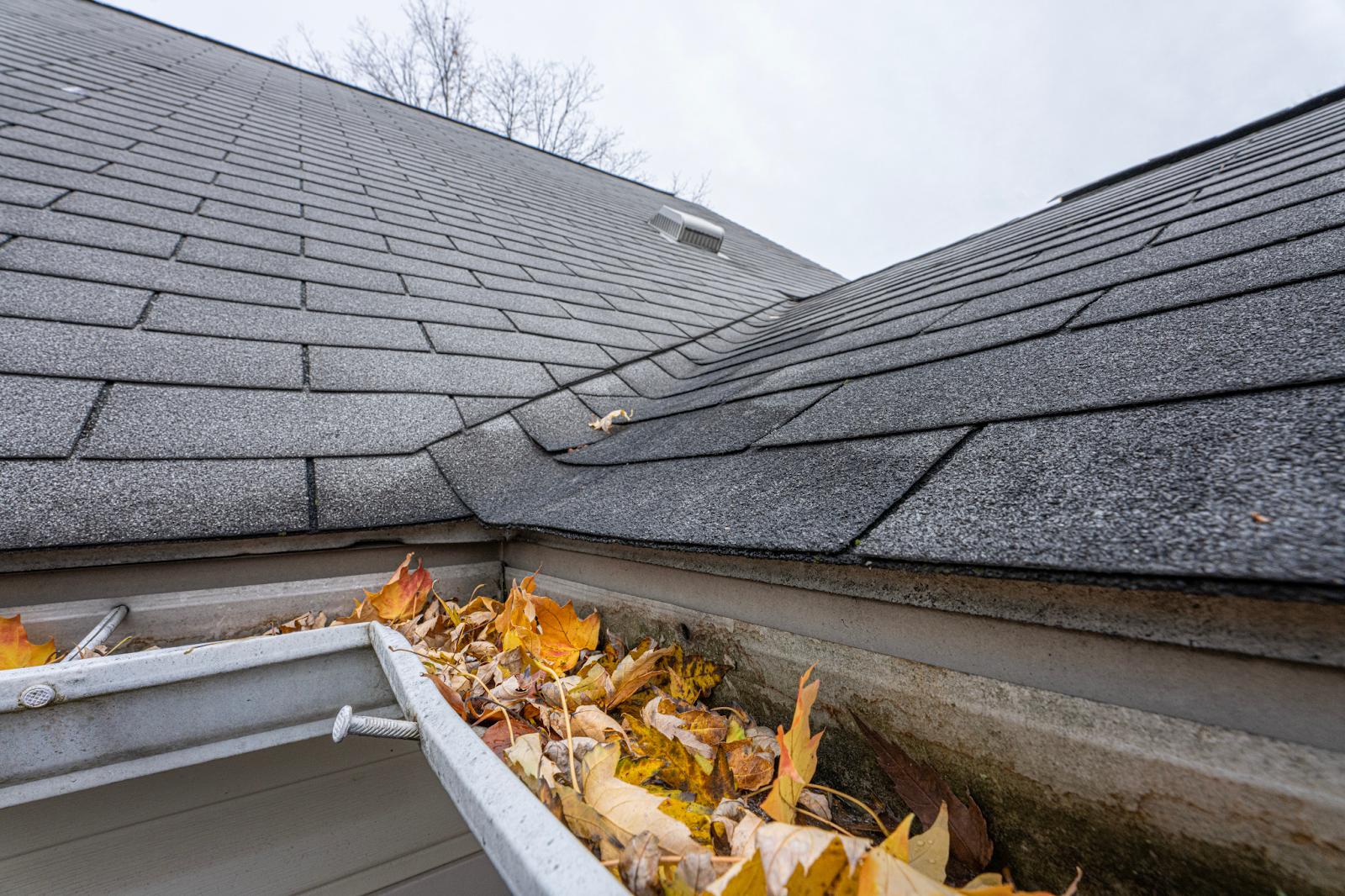
Gutters and downspouts play a huge role in keeping basements dry. In winter, they are often ignored until water shows up inside.
Common winter gutter issues include:
- Leaves and debris blocking downspouts
- Ice buildup preventing proper drainage
- Gutters pulling away from the fascia under added weight
- Downspouts dumping water too close to the foundation
When gutters overflow, water falls directly at the base of the home. That water seeps into the soil and increases hydrostatic pressure against basement walls.
In older homes around Charlotte and Asheville, short downspouts are a frequent cause of basement leaks during winter storms.
Poor Grading Becomes Obvious in Cold Weather
Grading is the slope of the soil around your home. Ideally, the ground should slope away from the foundation so water naturally drains outward.
Winter exposes bad grading because:
- Saturated soil highlights low spots
- Compacted soil sheds water instead of absorbing it
- Small slope issues become major runoff problems
If water flows toward the foundation instead of away from it, water intrusion in the basement is only a matter of time.
This is especially common in neighborhoods with older homes where landscaping has settled over decades.
Older Foundations Are More Vulnerable
Many homes across NC and SC were built decades ago, long before modern waterproofing methods were standard.
Older basement foundations often have:
- Unreinforced masonry walls
- Porous concrete blocks
- Aging mortar joints
- Hairline cracks that widen over time
Cold weather makes these problems worse. Concrete and masonry expand and contract with temperature changes. Over years, this movement creates new paths for water.
Once winter rain or snowmelt hits, those weak points start leaking.
Foundation Cracks Grow During Freeze and Thaw Cycles
Even mild freezes can damage foundations over time.
When water enters small cracks and freezes:
- It expands
- The crack widens slightly
- More water enters the next time it rains
This cycle repeats every winter. By the time homeowners see water intrusion in the basement, the crack has often been growing for years.
Surface sealants do not stop this process. The problem is structural movement and pressure, not just surface moisture.
Basement Floors Can Leak Too
Water intrusion does not only happen through walls. Basement floors are also vulnerable, especially during winter.
Common floor leak sources include:
- Cold joints where the wall meets the slab
- Cracks in the concrete floor
- Areas where plumbing penetrates the slab
As groundwater levels rise in winter, water pushes upward beneath the slab. If there is no drainage system or sump pump to relieve pressure, water will come through the floor.
This is why some homeowners see puddles even when walls look dry. When water keeps showing up at the wall and floor joint, an interior basement drainage system is usually the next step. These systems are designed to capture water at its entry point and redirect it before it can spread across the basement.
Why Winter Basement Leaks Should Not Be Ignored
Water intrusion in the basement is not just an inconvenience. Left alone, it leads to bigger problems.
Ongoing moisture can cause:
- Mold growth
- Musty odors
- Damage to framing and insulation
- Rusting of steel supports
- Long-term foundation movement
In structural cases, water is often a symptom of a bigger issue. Poor drainage, shifting soil, or failing foundation elements usually need to be addressed, not just managed.
Why Surface Waterproofing Is Often Not Enough
Many companies focus only on interior waterproofing or temporary drainage fixes. That approach may collect water, but it does not reduce the forces pushing water into the basement.
Permanent solutions usually involve drainage and pressure relief systems designed specifically for basement waterproofing. These systems work with the natural movement of groundwater rather than trying to block it at the surface.
At Falcone Crawl Space, we focus on:
- Controlling groundwater pressure
- Correcting structural weaknesses
- Installing permanent drainage and sump systems
- Using American-made materials designed for long-term performance
In many older homes, water intrusion is tied to foundation movement that requires professional foundation repair, not just moisture control. In those cases, addressing structural instability is just as important as managing water.
What to Do If You Have Water Intrusion in the Basement This Winter
If your basement is leaking during winter, the best step is a professional evaluation that looks beyond surface symptoms.
A proper inspection should assess:
- Foundation condition
- Drainage and grading
- Hydrostatic pressure sources
- Structural movement
- Long-term repair options
Quick fixes often fail because they do not address why water is getting in.
Talk to a Local Structural Repair Company
Water intrusion in the basement is common in NC and SC winters, but it is not something you have to live with.
Falcone Crawl Space works throughout Charlotte and across the Carolinas, handling everything from drainage systems to full foundation lifting and structural repair. We fix problems the right way, with permanent solutions and American-made materials.
If you are seeing water in your basement this winter, reach out through our contact form or start a chat using Intercom. Getting answers early can prevent much bigger repairs down the road.