7 Signs of Foundation Problems Most Charlotte Homeowners Miss (And When to Call an Expert)
As a homeowner in the Carolinas, you’d probably rather spend your weekends cheering on the Panthers, exploring the greenways, or just relaxing with your family than thinking about your home’s foundation. And that’s exactly how it should be.
But here’s the truth about foundation problems: they rarely announce themselves with a dramatic crash. Instead, they show up quietly. A door that suddenly takes a little elbow grease to close. A tiny crack above the window. A floor that feels just a little off.
Because these signs don’t look like emergencies, they are incredibly easy to brush off as just old house charm.
Here in the Carolinas, especially around Charlotte and surrounding counties like Mecklenburg, Union, Cabarrus, and York, our heavy clay soils, intense summer humidity, and traditional crawl space construction make our homes especially vulnerable to gradual movement.
At Falcone Crawl Space & Structural Repair, we believe in educating homeowners on the why behind what’s happening to their homes. This guide will walk you through seven subtle signs of foundation problems you shouldn’t ignore, helping you understand when it’s safe to just keep an eye on things and when it’s time to call in a pro.
1. Doors That Stick or Won’t Latch Properly
It’s incredibly easy to blame our famous North Carolina humidity for this one. And sometimes, that’s fair; our muggy summers can definitely cause wooden doorframes to swell.
However, pay close attention if a door:
- Suddenly starts sticking out of nowhere.
- Rubs hard at the top corner.
- Requires you to lift, push, or pull forcefully to get it to latch.
- Shows uneven, diagonal gaps around the door frame.
When your foundation shifts, your home’s wood framing shifts right along with it. The result is that doors and windows fall slightly out of place. If more than one door starts sticking at the same time, that’s a strong signal you are dealing with a structural issue, not just a seasonal one.
2. Cracks in Drywall (Especially Above Door Frames)
Take a deep breath: not all cracks mean your house is falling. Tiny, hairline drywall cracks can happen as a home naturally settles over the years.
But you’ll want to look a little closer if you see:
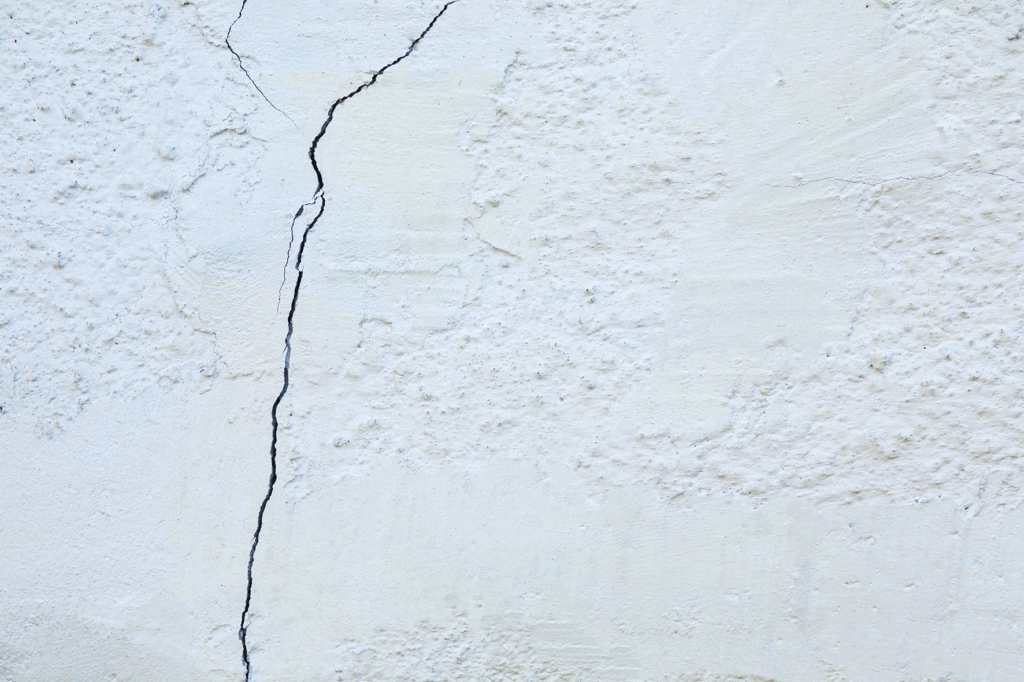
- Diagonal cracks extending up and away from door or window corners.
- Stair-step-looking cracks along your drywall seams.
- Cracks that are wider than 1/8 of an inch
- Cracks you’ve patched and painted over, only for them to tear open again.
These specific patterns usually reflect structural stress pulling at the walls, rather than just cosmetic paint shrinkage. In crawl space homes, which are everywhere in Charlotte, a shifting support pier or moisture-weakened wood underneath your feet will often translate directly into visible drywall tears upstairs.
3. Bouncy, Spongy, or Uneven Floors
This one surprises a lot of the homeowners. Floors aren’t supposed to have a trampoline effect.
If your floors feel:
- Soft or spongy in certain high-traffic areas
- Noticeably sloped or dipping
- Like they shake the China cabinet when you walk across the room
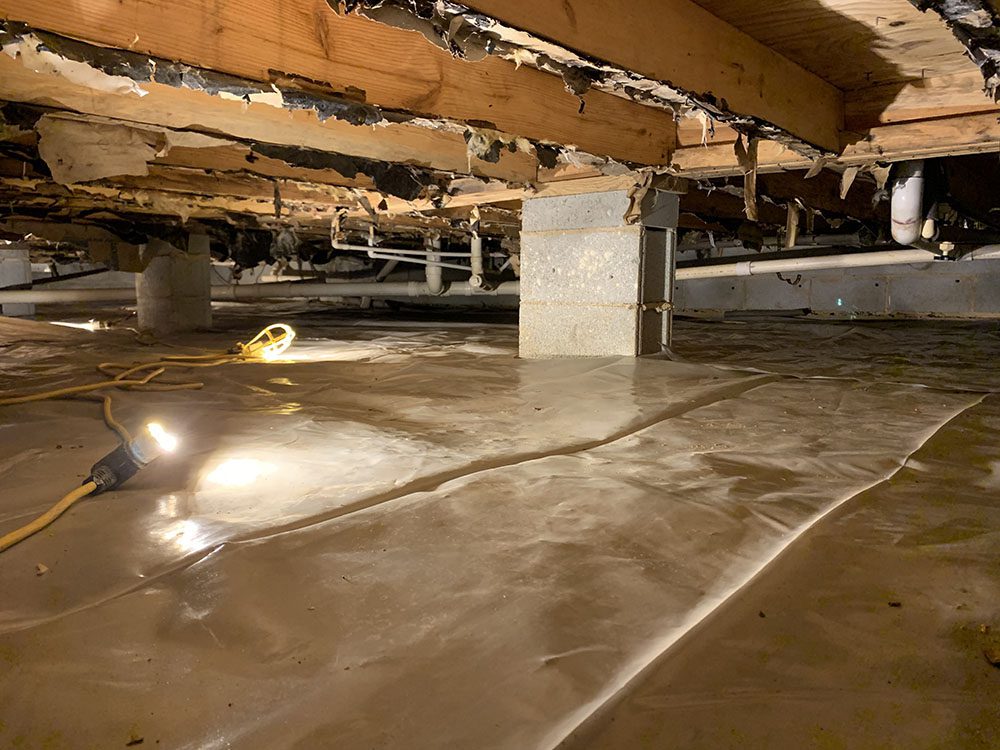
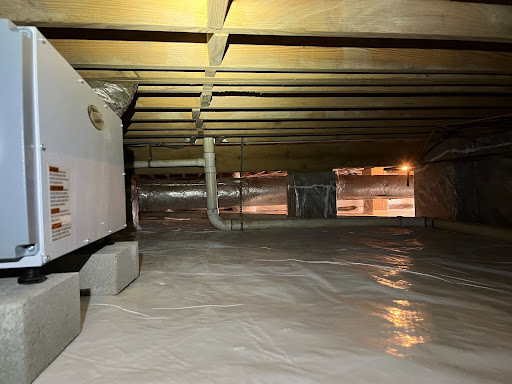
In the Charlotte region, moisture trapped inside unencapsulated crawl spaces can slowly rot away your wooden floor joists or cause your structural support beams to shift. Over time, the floor above loses its strength.
Quick test: If you place a marble or a golf ball on your hard floor and it consistently rolls away in the same direction, it’s worth investigating.
4. Gaps Between Walls and Ceilings (or Floors)
Take a stroll through your house and look closely at the edges of your rooms, specifically your crown molding, baseboards, and the corners where walls meet ceilings.
Small separations in these areas indicate that one part of your home is sinking or moving at a different rate than the rest of the house. This phenomenon is called differential settlement, and it happens frequently in our local expansive clay soils, which swell up like a sponge when it rains and shrink like a raisin during late-summer droughts. These gaps might start small, but they rarely fix themselves.
5. Exterior Brick Cracks (The Stair-Step Pattern)
Charlotte boasts beautiful brick veneer homes. While the exterior brick itself doesn’t hold your house up, it acts like a structural canvas, reflecting the movement happening underneath it.
Take a walk around your home’s exterior and look for:
- Stair-step cracking tracing along the mortar joints
- Cracks that are wider at the top than they are at the bottom (a classic sign of sinking)
- Brick pulling away from exterior doors or windows.
Tiny, hairline vertical cracks in brick can be normal. But a stair-step crack that grows wider over time means the foundation footing beneath that brick is likely dropping.
6. Crawl Space Moisture or Shifting Piers
What happens underneath your home eventually shows up inside your home. Because so many Carolina homes are built over crawl spaces, foundation health and crawl space health go together.
If you or an inspector looks under the house, watch out for:
- Standing water or damp, muddy soil after a rainstorm
- White or black mold growth on the wooden joists
- Wood rot that crumbles to the touch
- Brick or block support piers that look tilted or leaning.
Moisture is the enemy of structural integrity. It weakens the wood holding up your home and turns the hard soil supporting your piers into soft mud. This is why waterproofing, encapsulation, and structural repair are so tightly connected.
7. Windows That Suddenly Become Hard to Open
Just like your doors, your windows rely on perfectly square framing to glide up and down easily.
If you notice:
- Windows that drag, jam, or refuse to open.
- New gaps are appearing at the corners of the windowsills.
- Locks that no longer line up easily
Shifting foundations warp the window frames. Again, one stubborn window might just be a broken track. But if multiple windows in the same room are suddenly acting up? That’s a pattern you shouldn’t ignore.
Normal Settling vs. Foundation Problems: What’s the Difference?
All homes settle. Especially in the first few years after they are built. The key is pattern recognition.
What’s Normal:
- Tiny hairline cracks in the drywall
- Minor, seasonal swelling of a wooden exterior door
- The occasional nail pop in the drywall
What’s NOT Normal:
- Cracks that actively grow wider or longer
- Repeated repairs are needed in the same spots.
- Multiple symptoms, like a sticking door plus a cracked wall, happen at once
- Floors that feel soft or actively sag
Our Carolina clay soil places constant stress on foundations year after year. Recognizing the difference between normal aging and structural failure is the first step in protecting your home.
When Should You Call for an Inspection?
If you’re noticing just one minor issue that hasn’t changed in five years, simply keeping an eye on it is likely fine. But if you are seeing multiple signs at once, progressive worsening, or new cracks forming after heavy Carolina rainstorms, it’s time to get a professional opinion.
At Falcone Crawl Space & Structural Repair, we are a local, family-owned business, and our approach to inspections is completely built around education first. We don’t believe in scare tactics. Sometimes, homeowners just need a trained eye to give them peace of mind that their home is safe. But if there is a problem, catching it early always means simpler repairs, lower costs, and much less stress.
Our mission is to give every Carolinian a strong foundation and to create happy homeowners in the process.
Protecting your biggest investment starts with knowing what’s beneath it. If you live in Charlotte or the surrounding counties and want clarity on your home’s health, contact the local experts at Falcone Crawl Space today to Schedule Your Free Inspection.