Foundation Problems vs. Settling: How to Tell the Difference
If you’ve ever walked through your house and suddenly noticed a crack in the drywall or tried to close a bedroom door that inexplicably sticks, your heart probably skipped a beat. Your very first thought is almost always, “Is this serious?” Is my house falling apart?
It’s one of the most common questions from homeowners across North Carolina and South Carolina. And it makes perfect sense. Your home is your sanctuary and your biggest investment. Its foundation literally supports everything you love.
When it comes to your home’s structural health, understanding foundation problems vs settling is the very first step toward peace of mind. It helps you know whether you can simply keep an eye on a small cosmetic quirk or if it’s time to call in the pros for a thorough inspection.
Let’s break this down together in clear, practical terms. No jargon, just straight talk.
First, What Is “Normal” Settling?
Here’s the truth: almost all homes settle.
When a house is newly built, the soil beneath it naturally compresses under the massive weight of the structure. This natural settling process usually happens within the first few years after construction.
However, even older homes can experience minor, gradual settling over time due to seasonal moisture changes. This is especially true here in the Carolinas, where we deal with a whole lot of clay-heavy soil. Clay acts like a giant sponge; it expands when it’s wet and shrinks up tight when it dries out.
Signs of Normal Settling
More often, the little changes you notice are just your house breathing with the seasons. In many cases, you’ll notice:
- Small, hairline cracks in your drywall or plaster
- Minor nail pops where the nail head pushes slightly out of the drywall.
- Slight gaps where walls meet the trim or crown molding.
- Very thin, thread-like cracks in concrete, typically less than 1/8 of an inch wide.
These cosmetic hiccups usually aren’t structural concerns. They’re incredibly common and, for the most part, completely harmless. The keyword to remember here is minor.
When Is It More Than Just Settling?
The real confusion and stress around foundation problems vs. settling happens when those cracks or changes go beyond just a little cosmetic wear and tear.
True foundation problems involve structural movement, meaning the home is shifting in a way that can actually affect its stability, safety, and long-term property value.
Warning Signs of Foundation Problems
Here’s when you should pay closer attention and perhaps pick up the phone:
- Cracks wider than 1/4 inch, especially if you can fit a coin inside them.
- Stair-step cracks in your exterior brickwork or mortar
- Horizontal cracks bowing inward on foundation walls. This is a big red flag.
- Doors and windows that suddenly won’t close or require a hard shove.
- Floors that feel noticeably sloping, sagging, or bouncy
- Large gaps forming between your walls and the ceiling.
- Moisture, musty odors, or standing water in the crawl space.
Unlike minor settling, these structural issues rarely stay the same, they progress over time. If you’re seeing multiple symptoms happening all at once, you’re likely looking at more than just cosmetic movement.
The Soil Factor in North Carolina & South Carolina
Let’s talk about our local dirt. The Carolinas are famous for their red clay soils. As we mentioned, clay expands significantly when it absorbs water from heavy spring rains and contracts during our hot, dry summer spells. This constant, year-after-year movement creates immense stress on foundations.
In wet seasons, expanding soil pressure can physically push against foundation walls. In dry periods, soil shrinkage can leave empty gaps beneath the footings of your home. Over time, this endless cycle can lead to serious structural shifting.
That’s exactly why distinguishing between foundation problems vs. normal settling is so crucial for homeowners in NC and SC.
Pro tip: Making sure your gutters and downspouts are actively pushing rainwater far away from your home’s perimeter is one of the easiest ways to manage this soil expansion.
Crawl Space Homes vs. Slab Foundations
Not all foundations behave the same way. What you end up seeing inside your home heavily depends on how it was built from the ground up.
Crawl Space Foundations
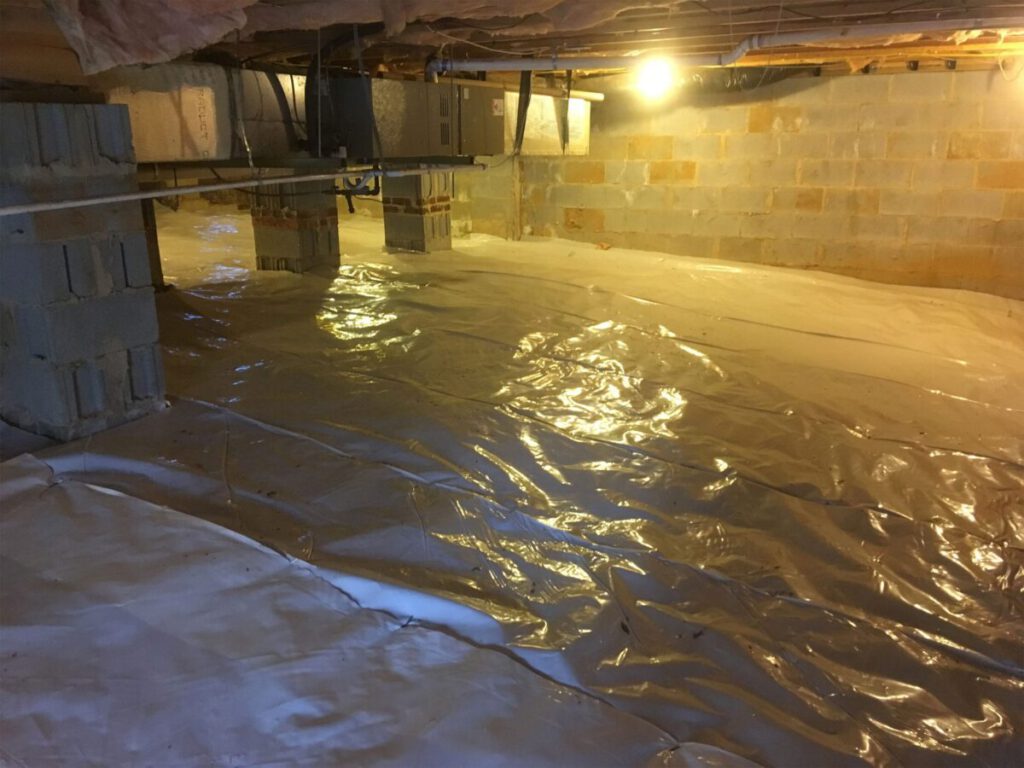
Crawl space homes are a staple of Southern architecture, and they are incredibly common throughout North and South Carolina. With this type of foundation, your home sits elevated on piers or support walls above the ground, leaving a dark, open space underneath.
Common crawl space-related issues include:
- Sagging, bouncing, or spongy floors.
- Moisture damage to wooden support beams and floor joists
- Visible mold growth or wood rot
- Shifting, leaning, or sinking masonry piers
Sometimes, what looks like a scary foundation crack up in your living room is a fixable support issue down underneath. Moisture is the number one enemy in crawl spaces. If the wood framing absorbs high humidity, it can expand, weaken, or shift, which perfectly mimics foundation settlement. This is why crawl space encapsulation and proper moisture control are absolute game-changers for your home’s health.
Slab Foundations
Slab homes sit directly on a concrete foundation poured right at ground level. When slab foundations experience movement, the warning signs can include:
- Cracks in your hard flooring like separating tiles or gaps in hardwood
- Vertical or diagonal wall cracks
- Noticeably uneven floors
- Cracking in the exterior brickwork
Slab foundation movement usually relates directly to that soil expansion and contraction happening right beneath the concrete. Because slab foundations don’t have a visible crawl space that you can easily inspect, issues can sometimes go unnoticed for longer, at least until the symptoms loudly announce themselves inside your home.
How to Tell the Difference: A Simple Rule of Thumb
If you’re feeling overwhelmed, here’s a highly practical way to compare foundation problems vs. normal settling:
Normal Settling:
- Hairline, thread-thin cracks
- Minor Cosmetic drywall quirks
- Stable, no change over months/years
- Doors and windows operate normally
- Floors feel solid and level
Foundation Problem:
- Wide gaping, or actively expanding cracks
- Structural cracks in exterior brick or concrete
- Cracks that are visibly getting worse
- Doors and windows suddenly misaligned or stuck
- Sloping, sagging, or bouncy floors
The Golden Rule: If the issue is small, stable, and hasn’t changed in months or years, it’s very likely just normal settling. But if the issue is growing, spreading, or actively affecting how your home functions, it’s absolutely time for a closer look.
When Should You Call for an Inspection?
You don’t need to panic over every little crack. However, you should call for a professional inspection if:
- Cracks continue to widen or multiply.
- You notice multiple symptoms happening at once.
- Your floors feel suspiciously uneven or bouncy.
- You spot standing water or mold problems in the crawl space.
- Doors or windows shift suddenly and refuse to close properly
Early inspections are your best friend. They can prevent significantly larger, more expensive structural repairs down the road. In many cases, after inspecting a home, the homeowners are thrilled to learn that the issue is minor and easy to manage, and when it is a bigger deal, catching it early can save you thousands of dollars.
What a Professional Inspection Provides
A proper foundation evaluation by an expert is a comprehensive health check for your home. It will cover:
- Surrounding soil conditions and grading
- Moisture levels and humidity
- The integrity of structural supports and joists
- Drainage systems around the home
- Overall crawl space health if applicable
- Historical signs of long-term movement.
The goal is total clarity. You shouldn’t have to lie awake at night guessing whether you’re dealing with normal settling or a serious structural concern.
Peace of Mind Starts with Knowing
At the end of the day, the difference between foundation problems vs. settling comes down to scale, progression, and structural impact. Small, stable cosmetic cracks are a normal part of homeownership. Structural movement that worsens over time is not.
If you’re ever unsure, the safest, smartest step is to get a professional inspection, especially here in North Carolina and South Carolina, where unpredictable soil movement and high moisture play such a massive role in how our foundations perform.
Your home should always feel solid, safe, and secure. If something feels off, trust your gut instinct.
Schedule a Foundation Inspection in NC or SC
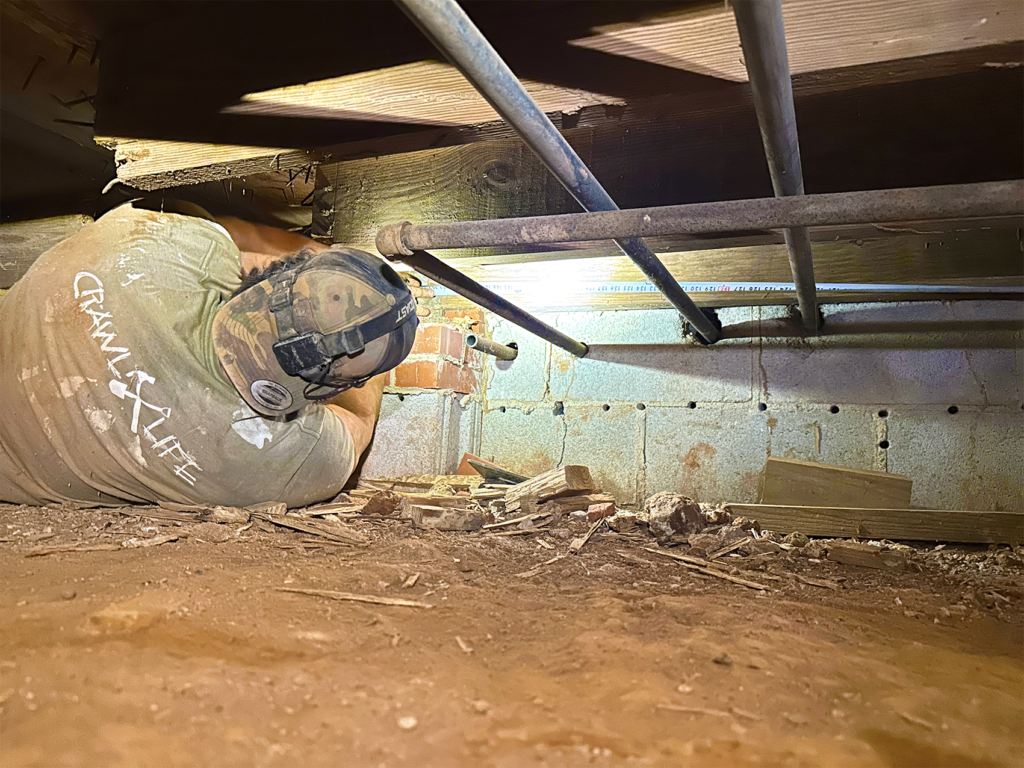
If you’re noticing widening cracks, sticking doors, sagging floors, or worrying crawl space concerns, don’t wait around and wonder about it. Let us do the dirty work in the crawl space so you don’t have to.
A clear, honest evaluation can tell you exactly what’s happening and whether any action is needed. At Falcone Crawl Space & Structural Repair, we are a family-owned team obsessed with one mission: to give every Carolinian a strong foundation.
Contact Falcone Crawl Space & Structural Repair today to schedule a professional foundation inspection. Let’s get you the honest answers you need to protect your home and restore your peace of mind.